105 Broadway Street (Swash Manor)
105 Broadway Street, commonly known as Swash Manor, is a historic private residence in Myrtle Beach, South Carolina, and is recognized as the oldest surviving house within the city limits of Myrtle Beach. The residence is believed to date to approximately 1925–1926. Located adjacent to Withers Swash and directly across from Withers Memorial Cemetery, the property is associated with some of the earliest residential occupation within the present-day city limits of Myrtle Beach.
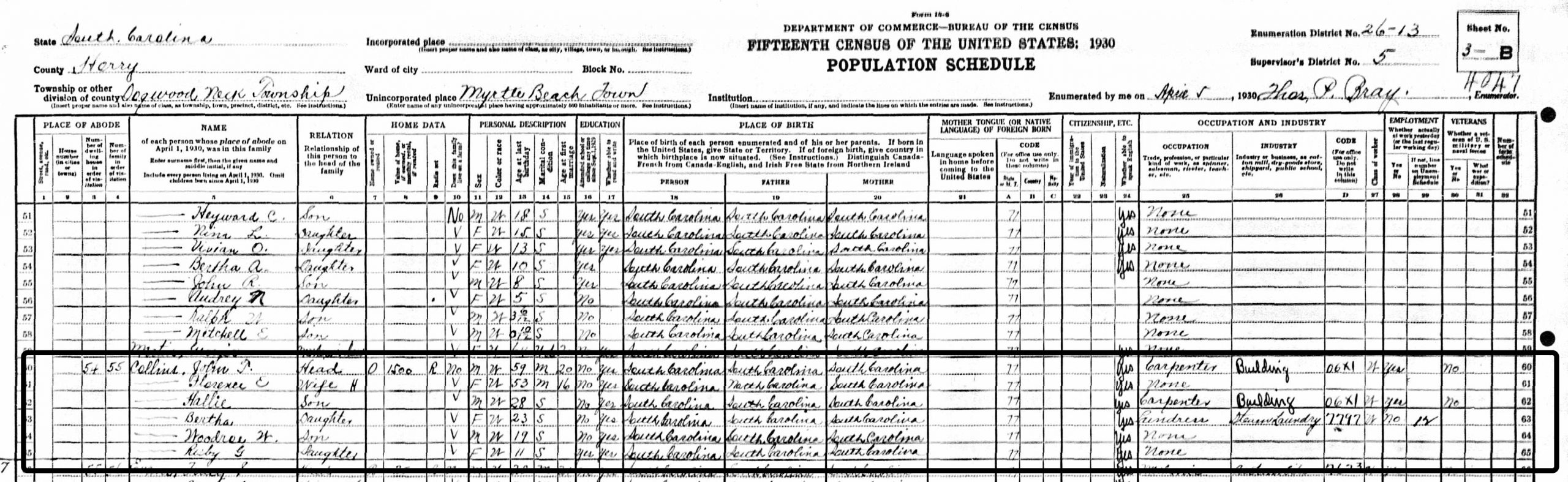
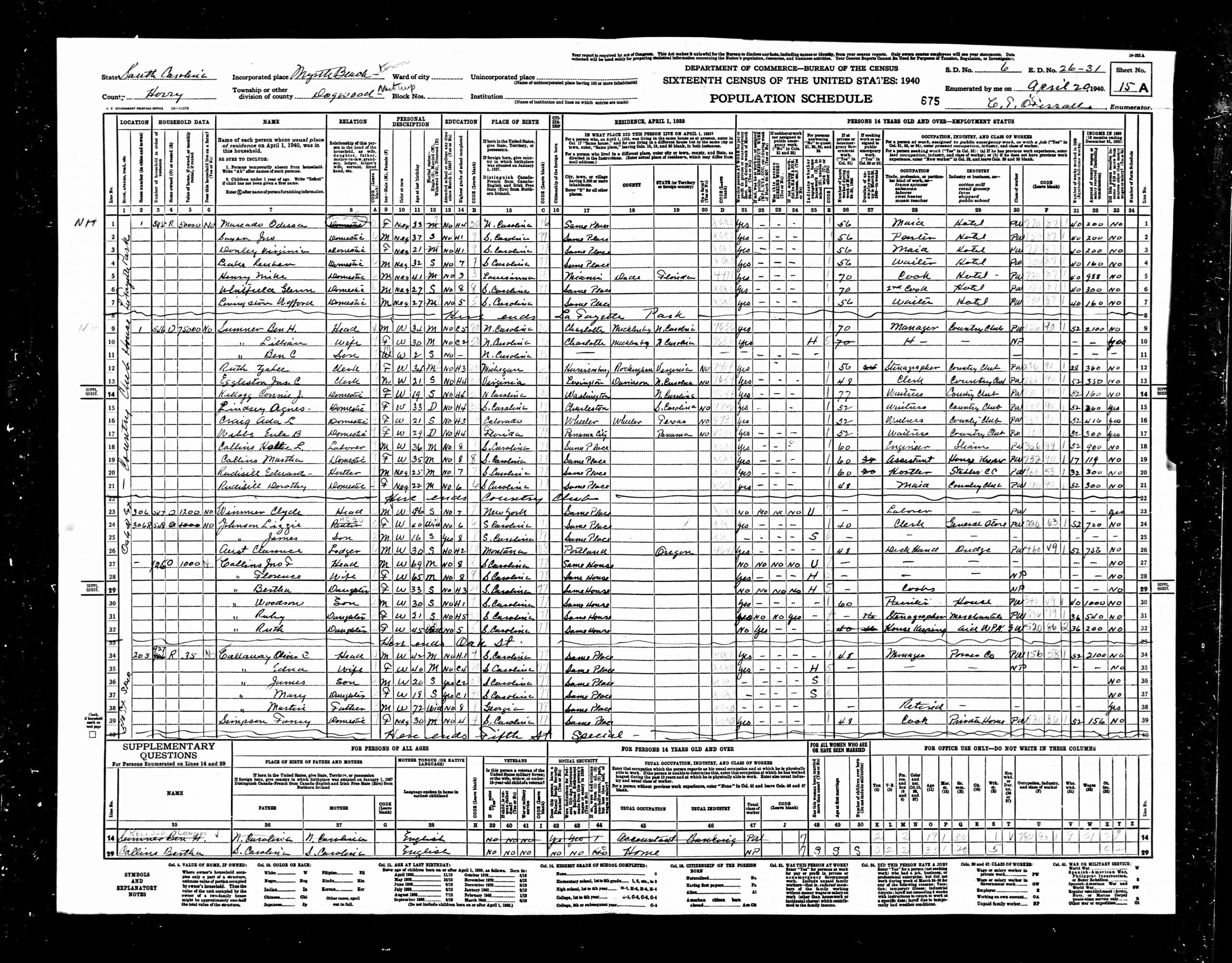
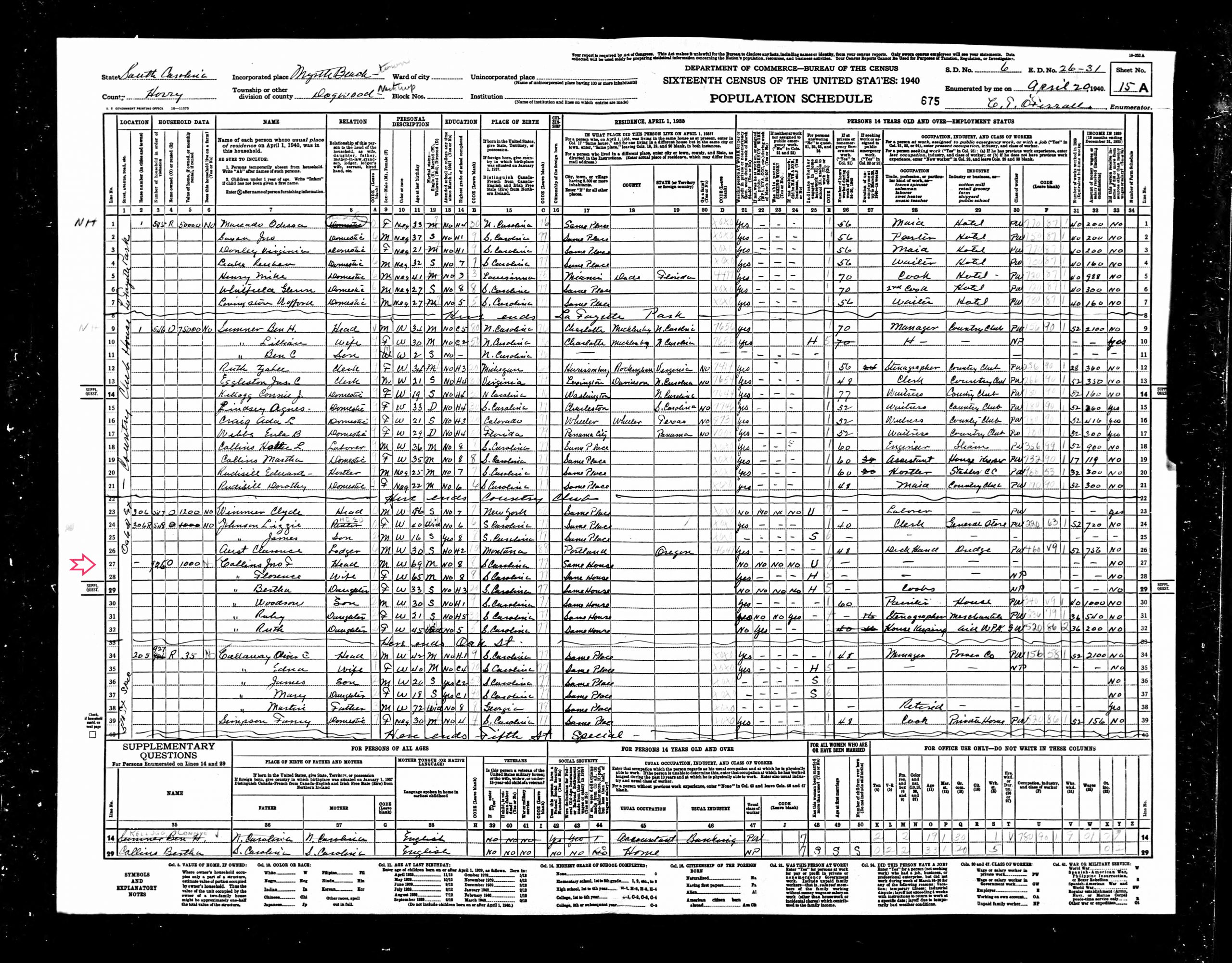
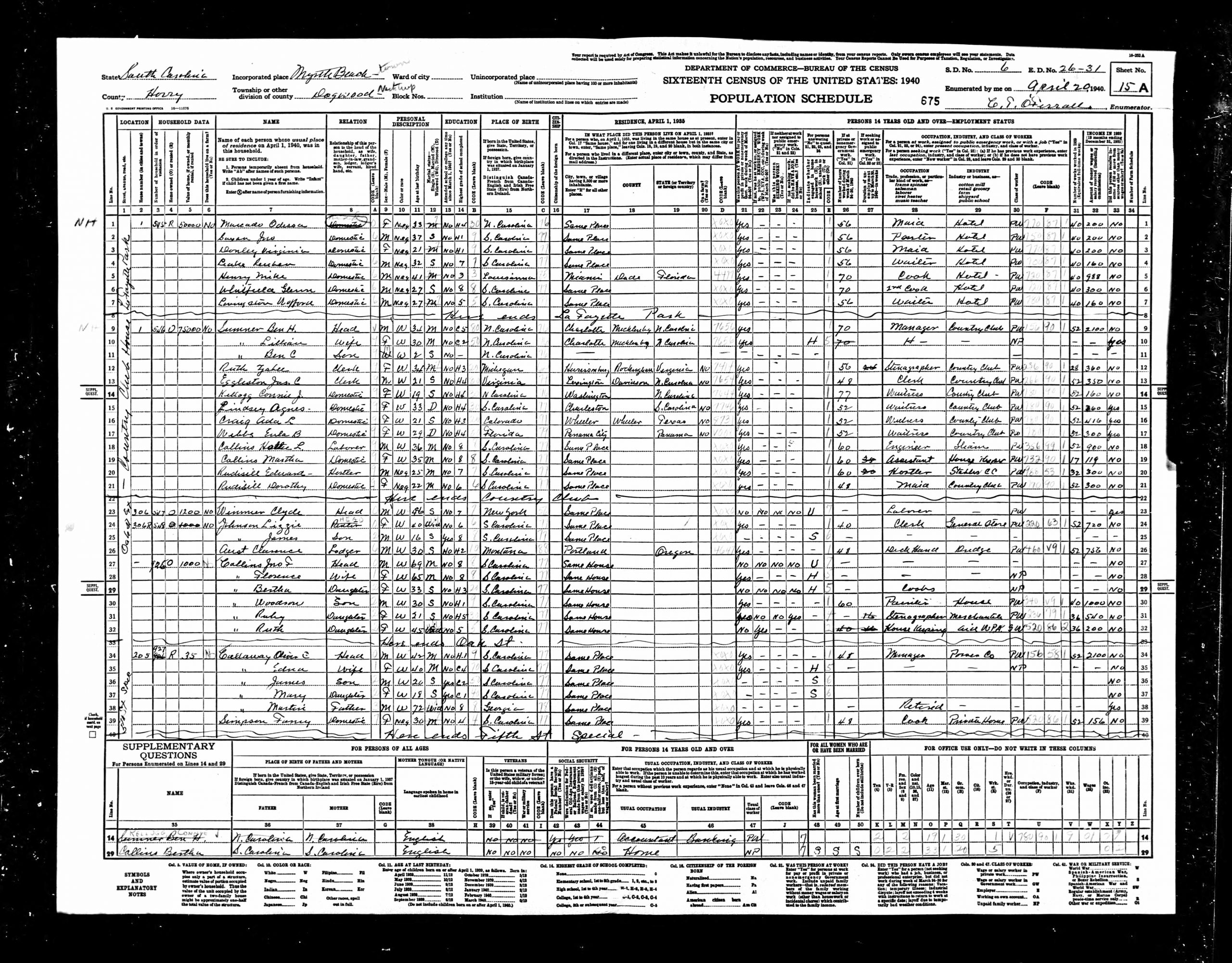
The residence occupies land tied to colonial-era grants associated with the Withers family and is situated on a prehistoric Native American shell mound where pottery shards, shell deposits, and artifacts dating back thousands of years have reportedly been recovered. The property is also associated with the Collins family, longtime residents of early Myrtle Beach, including Bertha Collins, who died in the home in 1992.
Location and Setting
Swash Manor stands along Broadway Street near Withers Swash, a tidal drainage feature that flows eastward into the Atlantic Ocean. Historically, the swash was known by earlier names including Myrtle Swash and reportedly the Eight-Mile Swash or Nine-Mile Swash, reflecting early coastal naming conventions used before the formal development of Myrtle Beach.
The property lies within the former Sandridge community area, one of the earliest settled portions of what later became Myrtle Beach. The area developed gradually during the late nineteenth and early twentieth centuries before Myrtle Beach officially incorporated in 1938.
Early Land History
The land surrounding present-day Swash Manor formed part of a larger tract associated with colonial-era grants connected to the Withers family during the eighteenth century. Portions of the surrounding acreage later passed through several owners associated with timber, naval stores, and turpentine operations during the nineteenth century.
Historical references indicate that nearby lands were associated with Dusenbury and Sarvis; Buck and Beaty, turpentine dealers; Gilbert and Potter, New York factors; and Joshua John Ward, a major South Carolina planter and landholder.
The Withers family name survives locally through Withers Swash and Withers Memorial Cemetery. Members of the family were among the earliest European-associated landholders in the region. Mary Withers is buried at Prince George Winyah Episcopal Church in Georgetown, South Carolina.
By the nineteenth century, portions of the surrounding land had reportedly passed into the possession of the Todd family, who were among the early local landholders in the Sandridge area near present-day Myrtle Beach. According to local historical research and surviving family documentation, the Collins family acquired the property from the Todd family around 1924 or 1925.
Construction of the present residence is believed to have occurred during or shortly after this transfer period, with an estimated completion date of circa 1925–1926. At the time of its construction, portions of the Myrtle Beach area had not yet received widespread municipal plumbing, electrical service, or modern running water infrastructure. The residence is therefore believed to have originally functioned without indoor plumbing and other modern utilities common in later decades.
It remains possible that earlier structures or improvements existed on the property prior to the construction of the current house.
Indigenous History and Archaeology
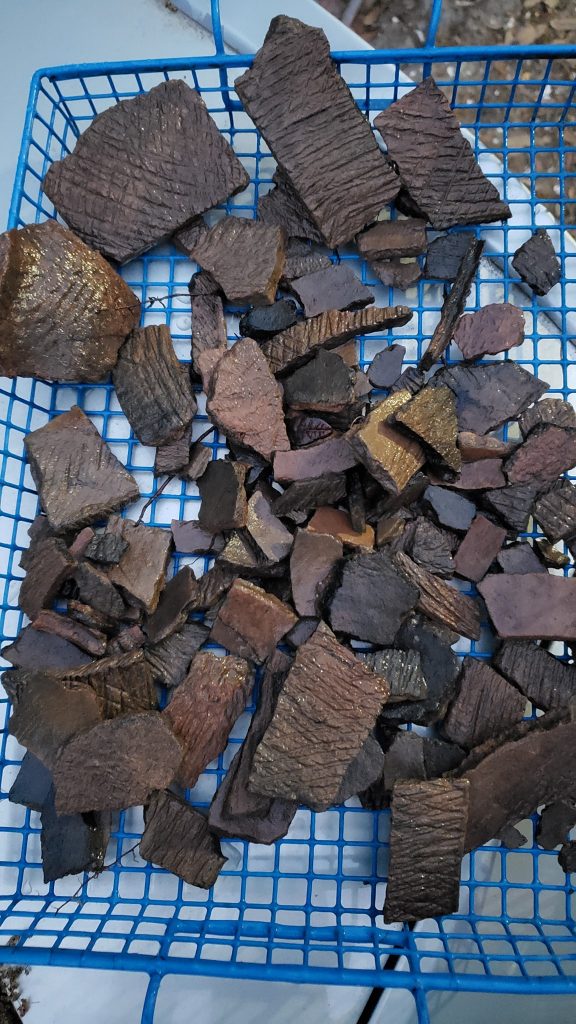
The Swash Manor property is situated on what is believed to be an ancient Native American shell mound or midden associated with prehistoric occupation along the Long Bay coast. Pottery fragments, shell deposits, and lithic artifacts have reportedly been recovered repeatedly during excavation and landscaping activities throughout the property.
According to evaluations by individuals familiar with regional Southeastern archaeology and Native American ceramics, some of the recovered material may date back as much as 5,000 years, potentially placing portions of the site within the Late Archaic or early Woodland cultural periods. The property is currently in the process of being evaluated for inclusion within archaeological site documentation records in South Carolina.
The coastal Myrtle Beach region was historically associated with the Waccamaw people and other Indigenous peoples who utilized the Long Bay coastline, tidal swashes, shell middens, and maritime resources for thousands of years prior to European settlement. Because of its position adjacent to Withers Swash, the site would likely have provided access to fishing grounds, shellfish resources, transportation corridors, and elevated ground near coastal wetlands.
The repeated discovery of pottery shards and associated artifacts suggests the property may represent a long-term or repeatedly utilized habitation and activity area predating the establishment of Myrtle Beach by several millennia.
Collins Family Ownership
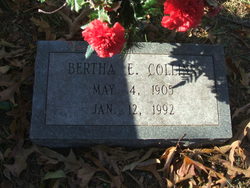
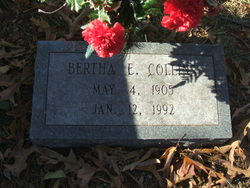
The house became associated with the Collins family for much of the twentieth century. Among the known residents was Bertha Collins (1904–1992), a lifelong Myrtle Beach resident who spent most of her life in the residence. Her death certificate lists Broadway Street as her place of residence at the time of death, and she died in the home in 1992.
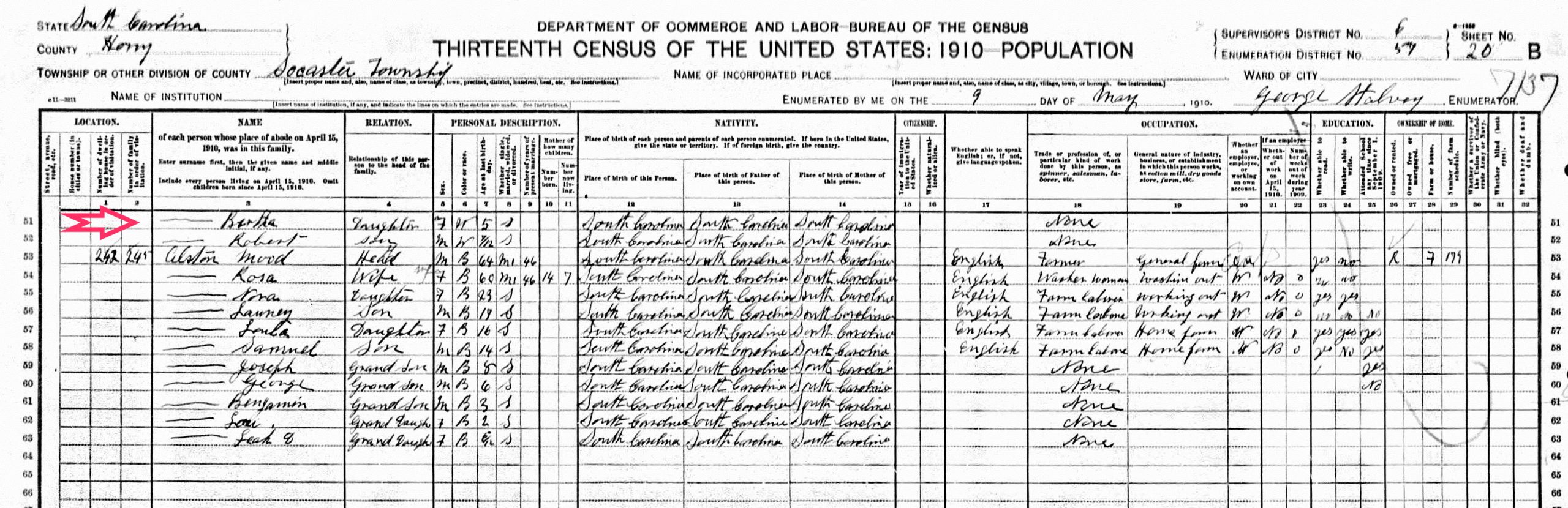
Joe Collins, another member of the family associated with the property, also reportedly died while residing on Broadway Street.
When Paul Wesley Tyler purchased the house in 2008, he quickly noticed that the old structure seemed unusually noisy. Like many older wooden homes, the house produced frequent creaks, pops, settling noises, and unexplained sounds during the day and night. As a running joke, Tyler began referring to all unexplained noises in the house as “Bertha,” often speaking aloud to the house whenever unusual sounds occurred.
Nearly two years after purchasing the property, Tyler later discovered through historical and family research that longtime resident Bertha Collins had in fact died inside the home. The coincidence became part of the folklore and local storytelling associated with Swash Manor.
Over the years, visitors and guests have occasionally reported unusual feelings, sounds, or experiences inside the house, contributing to its reputation as one of the more historically atmospheric surviving residences in Myrtle Beach. Tyler has generally approached these stories with humor and curiosity while focusing primarily on the documented historical significance of the property.
Architecture
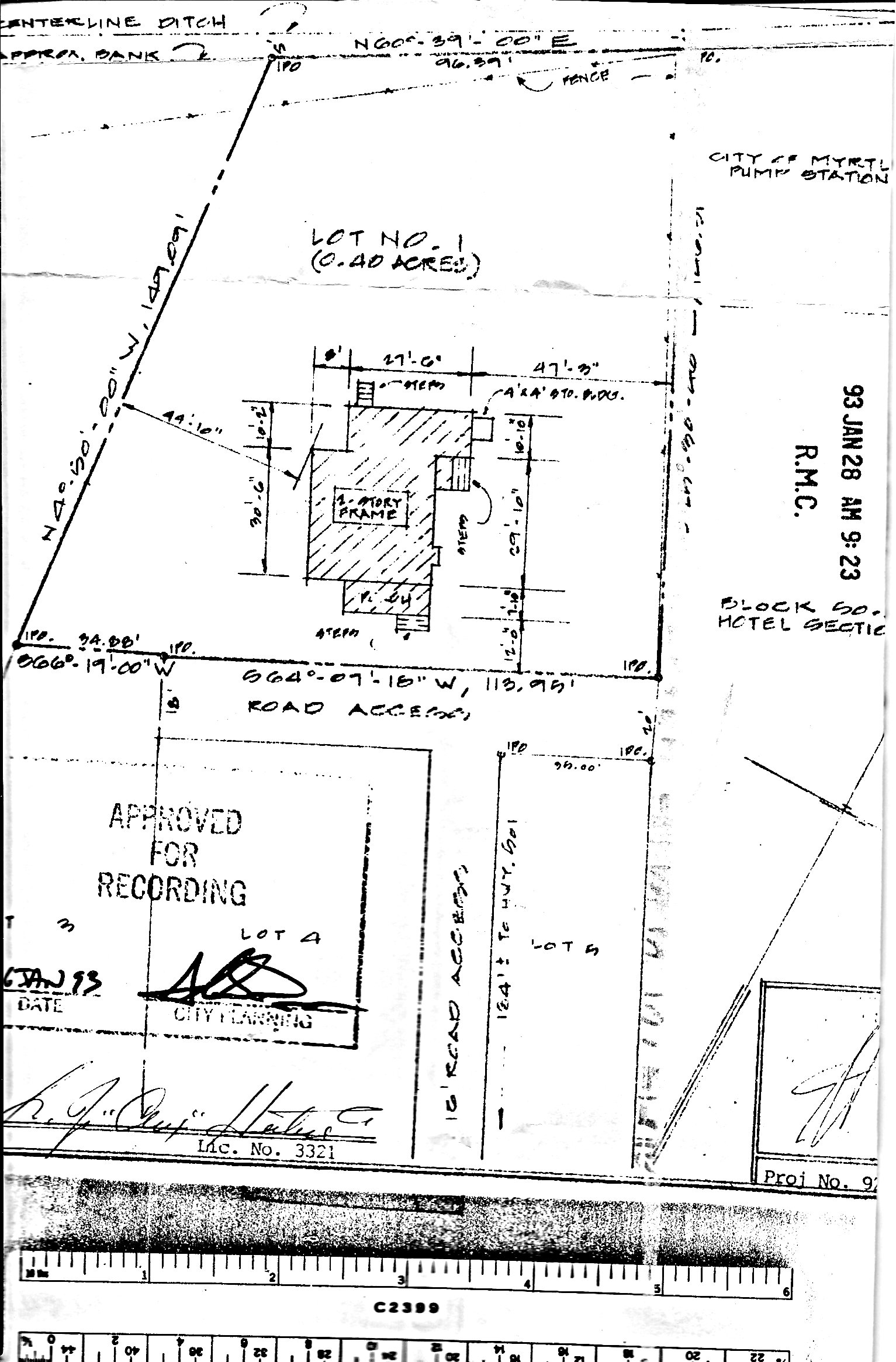
Swash Manor is a wood-frame residential structure typical of early twentieth-century coastal South Carolina domestic architecture. The home predates large-scale tourism-driven redevelopment in Myrtle Beach and survives as the oldest known surviving house within the city limits of Myrtle Beach.
The residence has undergone alterations over time but retains its historical association with the original residential development period of Myrtle Beach prior to World War II.
Cultural Significance
Swash Manor has become locally notable because of its status as the oldest surviving house within the city limits of Myrtle Beach; its location adjacent to historic Withers Swash; its direct association with early Myrtle Beach families; its proximity to Withers Memorial Cemetery; and the presence of Native American archaeological material on the property.
The property represents a surviving connection between prehistoric Indigenous occupation, colonial-era land grants, nineteenth-century coastal settlement, early twentieth-century residential Myrtle Beach, and the modern resort city that later emerged around it.


We find artifacts that show 5000 years of human activity at my home Swash Manor. http://swashmanor.com/ancient-shell-mounds/